Digital pathology and multi-omics profiling reveal peribronchial aggregates associated with macrophage CXCL9/10 expression as novel features of acute lung transplant rejection
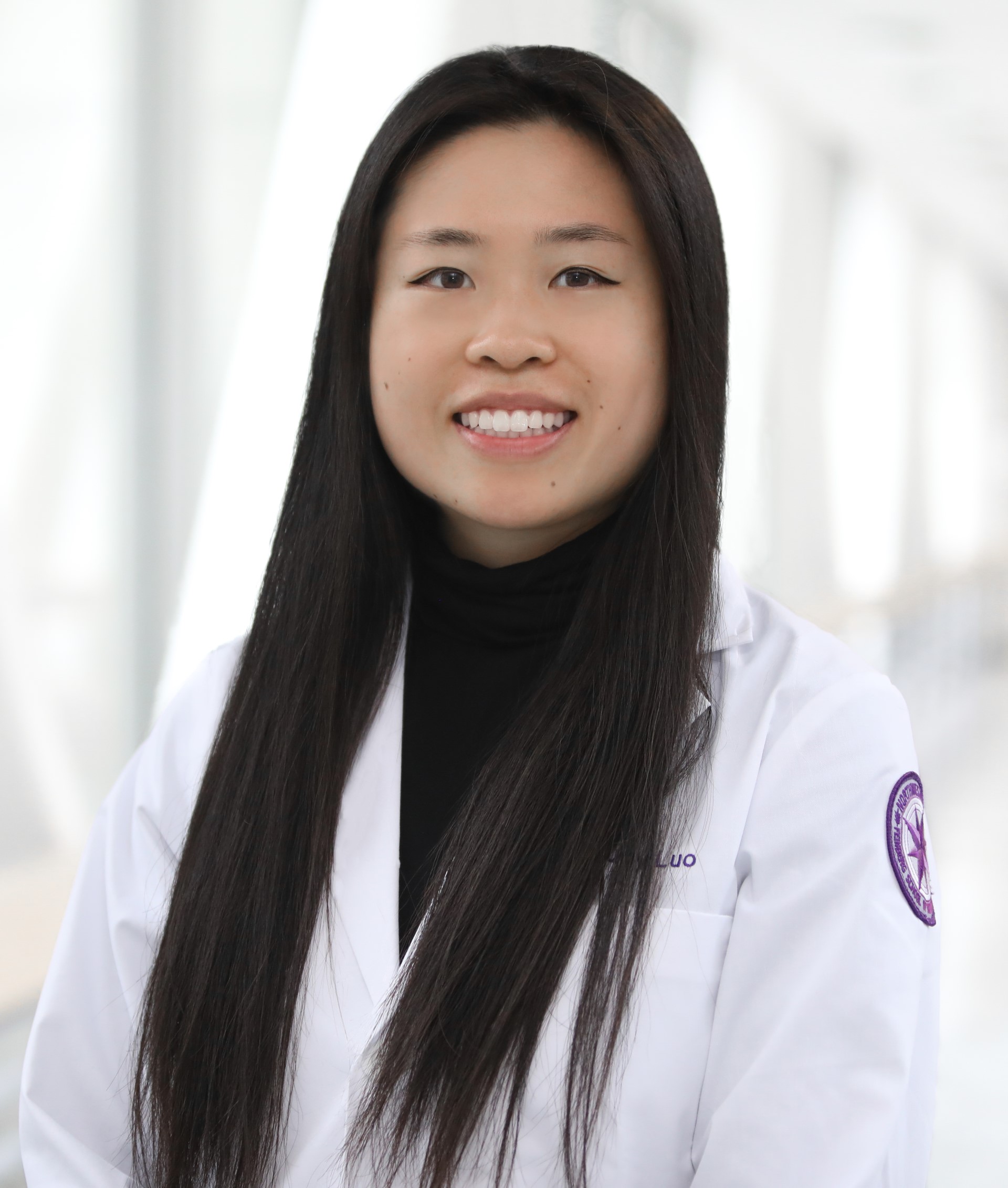
 Lucy Luo, MD/PhD Student
 Department of Medicine, Division of Pulmonary and Critical Care, Northwestern University
 11:00 AM Eastern Time, February 27, 2026


Abstract
Foundational models for digital pathology promise to accelerate and improve diagnostic accuracy, but their capacity to identify disease-defining features in uncommon conditions remains largely untested. The ~3400 patients in the United States who receive lung transplantation undergo routine biopsies of the donor lung in the first year after transplantation to detect subclinical acute rejection. Acute cellular rejection (ACR) after lung transplantation is diagnosed using transbronchial biopsies, but focal histologic changes and spatial heterogeneity limit diagnostic reproducibility. Here, we applied a foundation model-augmented multiple instance learning approach to 1,558 whole-slide images from 632 biopsies across 197 lung transplant recipients. The model accurately classified ACR (PR-AUC=0.89) and identified tissue neighborhoods predictive of graft outcomes. Attention-based interpretability revealed peribronchial lymphoid aggregates distinct from canonical perivascular infiltrates. Inflammatory bronchial and alveolar tissue patterns were associated with higher CLAD incidence among five-year survivors. Spatial transcriptomics confirmed these aggregates contain B cells, T cells, and CXCL9/10-expressing macrophages with tertiary lymphoid structure markers. Single-cell profiling of bronchoalveolar lavage identified similar CXCL9/10-expressing macrophage populations, spanning tissue and alveolar compartments. Multi-omics factor analysis linked a macrophage-T-cell cytokine axis to concurrent ACR. These findings reveal macrophage-driven chemokine production as an organizing feature of rejection biology across anatomical compartments, suggesting alternative therapeutic targets beyond current T cell-directed immunosuppression.
Bio coming soon.